Selecting the right power source for GPS trackers is crucial for ensuring reliable performance and extended operational life. As technology advances, the demand for efficient and long-lasting batteries has led to the rise of lithium polymer battery manufacturers producing specialized solutions for GPS devices. These batteries offer a perfect blend of compact size, high energy density, and durability, making them ideal for modern tracking systems. This guide will explore the key factors to consider when choosing lithium batteries for GPS trackers, helping you make an informed decision for your specific needs.
Table of contents:
Why Rechargeable Batteries for GPS Are Essential for Modern Tracking Systems
Comparing 3.7V Lithium Polymer Battery Options for GPS Device Longevity
How Lithium Ion Polymer Batteries Enhance GPS Tracker Performance
Key Features to Consider When Selecting a Polymer Lithium Battery for GPS Units
Why Rechargeable Batteries for GPS Are Essential for Modern Tracking Systems
The evolution of GPS technology has revolutionized tracking capabilities, but it has also increased power demands. Rechargeable batteries, particularly those from reputable lithium polymer battery manufacturers, have become essential for GPS trackers due to their ability to provide consistent power over extended periods. Unlike traditional disposable batteries, these rechargeable options offer significant cost savings and reduce environmental impact. The gps battery market has seen a surge in high-performance lithium-polymer solutions that can withstand the rigors of continuous use in various conditions, from extreme temperatures to high-vibration environments.
Comparing 3.7V Lithium Polymer Battery Options for GPS Device Longevity
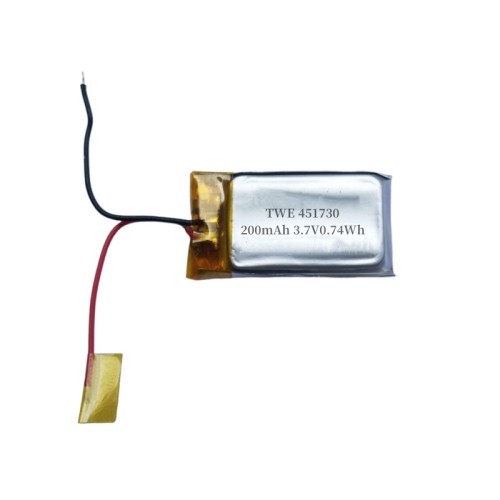
When it comes to GPS trackers, the 3.7V lithium polymer battery has become a standard choice due to its optimal balance of voltage and capacity. Lithium polymer battery manufacturers offer a range of options, each with unique characteristics suited for different GPS applications. For instance, the LP451730-210-1S1P model, with its 210mAh capacity and compact 4.7 x 17.5 x 32mm size, is an excellent example of a gps battery designed for small, portable trackers. The key is to match the battery's capacity with the GPS device's power consumption to ensure long-term operation between charges.
How Lithium Ion Polymer Batteries Enhance GPS Tracker Performance
Lithium ion polymer batteries have significantly enhanced GPS tracker performance through their superior energy density and discharge characteristics. These batteries, produced by specialized lithium polymer battery manufacturers, maintain a stable voltage output throughout their discharge cycle, ensuring consistent GPS signal strength and accuracy. The lightweight nature of these batteries allows for more compact GPS designs without compromising on functionality. Additionally, their ability to withstand a high number of charge-discharge cycles – often 800 or more – makes them a cost-effective and reliable choice for long-term tracking applications.
Key Features to Consider When Selecting a Polymer Lithium Battery for GPS Units
When choosing a gps battery, several key features demand attention. First, consider the battery's capacity in relation to your GPS tracker's power requirements. Higher capacity batteries from reputable lithium polymer battery manufacturers can provide longer operation times between charges. Safety certifications, such as IEC62133, are crucial for ensuring the battery's reliability and protection against overcharging or short circuits. Operating temperature range is another critical factor, especially for GPS trackers used in outdoor environments. Look for batteries that can function effectively in both cold and hot conditions, typically ranging from -20°C to 60°C for discharge.
The world of GPS tracking continues to evolve, with battery technology playing a pivotal role in its advancement. As we've explored, the right choice of lithium polymer battery can significantly enhance the performance and reliability of GPS trackers. By considering factors such as capacity, size, safety certifications, and operating conditions, you can select a gps battery that perfectly meets your tracking needs. The innovations brought forth by leading lithium polymer battery manufacturers have made it possible to create smaller, more efficient, and longer-lasting GPS devices. As technology progresses, we can expect even more impressive advancements in battery solutions, further expanding the possibilities for GPS tracking applications across various industries.