Look inside that forgotten drawer in your kitchen or office. Alongside spare keys and old pens, you will likely find a handful of used batteries. What happens to them next is a question with significant consequences. For many, the answer is simply the trash can, an act that seems harmless but contributes to a growing environmental crisis. This challenge is becoming more urgent as devices from remote controls to wearables rely on power cells, and demands on lithium polymer battery manufacturers continue to grow. Tossing a battery away is not just discarding a dead power source; it is releasing a small package of potentially hazardous materials into the environment, where they can leach into our soil and water. This article serves as a comprehensive guide to understanding the impact of your battery choices, empowering you to select safer, more sustainable products and dispose of them responsibly, ensuring a healthier planet for everyone.
Table of contents:
Understanding Batteries and Their Environmental Footprint
The Gold Standard: How Certifications Ensure Safer, More Sustainable Batteries
Your Guide to Responsible Action: From Purchase to Disposal
A Corporate Case Study in Green Practice: Topwellpower
Broadening the Impact: Public Education and Collaborative Initiatives
Conclusion: Powering a Greener Future, One Choice at a Time
Understanding Batteries and Their Environmental Footprint
To understand the need for responsible handling, we must first look inside a battery. A typical battery contains materials engineered to store and release energy, including an anode, cathode, and electrolyte. In modern rechargeable batteries, this often means lithium, cobalt, manganese, and nickel. When a battery's casing is breached in a landfill, these substances can cause serious contamination. Heavy metals like lead, mercury, and cadmium can seep into groundwater and enter the food chain, while corrosive electrolytes pose a fire risk.
A common misconception is that single-use alkaline batteries are less harmful than rechargeable lithium-ion cells. While today's alkaline batteries contain fewer toxic heavy metals, their single-use nature creates a massive volume of waste. A single rechargeable battery can replace hundreds of disposables over its lifespan, drastically reducing the resources needed for manufacturing and transportation.
The scale of the problem is staggering. According to the UN's Global E-waste Monitor, humanity generates over 50 million metric tons of e-waste annually. Discarded batteries, from tiny button cells to larger packs for devices like a GPS battery, are a significant and hazardous part of this waste stream. Each battery thrown away is a lost opportunity to recover valuable materials and a new risk to our ecosystem.
The Gold Standard: How Certifications Ensure Safer, More Sustainable Batteries
In a market flooded with options, how can a consumer identify a battery that is genuinely safer and manufactured with greater care? The answer lies in internationally recognized standards and certifications. These are not mere marketing labels; they are proof that a product has undergone rigorous testing to meet specific safety and material requirements.
What is IEC 62133?
The International Electrotechnical Commission (IEC) 62133 standard is one of the most important safety certifications for rechargeable lithium-ion and lithium-polymer batteries. It ensures that a battery can withstand various stresses without becoming a hazard. The testing protocols are intense and cover a wide range of scenarios, including:
- Mechanical Shock and Vibration:Simulating being dropped or shaken during transport and use.
- Thermal Abuse:Testing the battery's stability at extreme temperatures.
- External Short Circuit:Ensuring the battery has safeguards to prevent a dangerous thermal runaway event.
- Overcharging:Verifying that built-in protection circuits function correctly to prevent overheating and swelling.
A battery that passes IEC 62133 testing is significantly less likely to leak, combust, or fail dangerously, protecting both the user and the environment during its entire lifecycle, from production to disposal.
Other Key Environmental Standards
Beyond safety, other certifications address the material composition of electronics.
- RoHS (Restriction of Hazardous Substances):This EU directive restricts the use of specific hazardous materials found in electrical and electronic products. The list includes lead, mercury, cadmium, hexavalent chromium, and certain flame retardants. A RoHS-compliant battery is made with a cleaner material profile from the start.
- REACH (Registration, Evaluation, Authorisation and Restriction of Chemicals):Also an EU regulation, REACH is broader than RoHS and aims to protect human health and the environment from the risks posed by chemicals. It places the burden of proof on companies to manage any chemical risks their products might pose.
Choosing a battery that holds these certifications is a powerful statement. It signals a demand for products that are not only effective but also designed with foresight, responsibility, and a commitment to minimizing harm. It is an investment in quality and a vote for a more transparent and accountable manufacturing industry.
Your Guide to Responsible Action: From Purchase to Disposal
Making a positive impact starts with small, consistent actions. By adopting better habits for battery use and disposal, you can extend the life of your products, reduce waste, and prevent pollution.
Best Practices for Everyday Use
The most sustainable battery is the one you do not have to replace. Extending the lifespan of your rechargeable batteries is the first line of defense against waste.
- Mindful Charging:For most lithium-ion and lithium-polymer batteries, it is best to maintain a charge between 20% and 80%. Constant full charging to 100% or deep discharging to 0% can stress the battery and degrade its capacity faster.
- Avoid Extreme Temperatures:Heat is a battery’s enemy. Do not leave electronic devices in a hot car or in direct sunlight for extended periods. High temperatures accelerate the chemical degradation inside the battery.
- Use the Right Charger:Always use the charger and cable that came with your device or a certified, high-quality alternative. Cheap, uncertified chargers can lack the proper voltage and current regulation, potentially damaging the battery or creating a safety risk.
A Step-by-Step Guide to Recycling
When a battery reaches the end of its life, proper disposal is critical.
- Find a Collection Point:Never put rechargeable batteries, especially lithium-based ones, in your household trash or curbside recycling bin. They are a major cause of fires at recycling facilities. Instead, locate a designated battery recycling point. Many electronics retailers, supermarkets, and municipal waste centers offer free drop-off programs.
- Prepare Batteries for Disposal:For lithium-based batteries and any battery with exposed terminals, it is a crucial safety step to tape over the metal contacts with clear or electrical tape. This prevents them from accidentally touching other batteries and causing a short circuit.
- Safe Home Storage:While you collect batteries for recycling, store them in a non-conductive container, such as a cardboard box or a plastic tub. Keep the container in a cool, dry place away from flammable materials until you are ready to take them to a collection site.
A Corporate Case Study in Green Practice: Topwellpower
Theory and standards are important, but their true value is realized when companies actively integrate them into their products and processes. Topwellpower serves as an excellent example of a manufacturer committed to producing batteries that are not only high-performing but also adhere to stringent safety and sustainability principles.
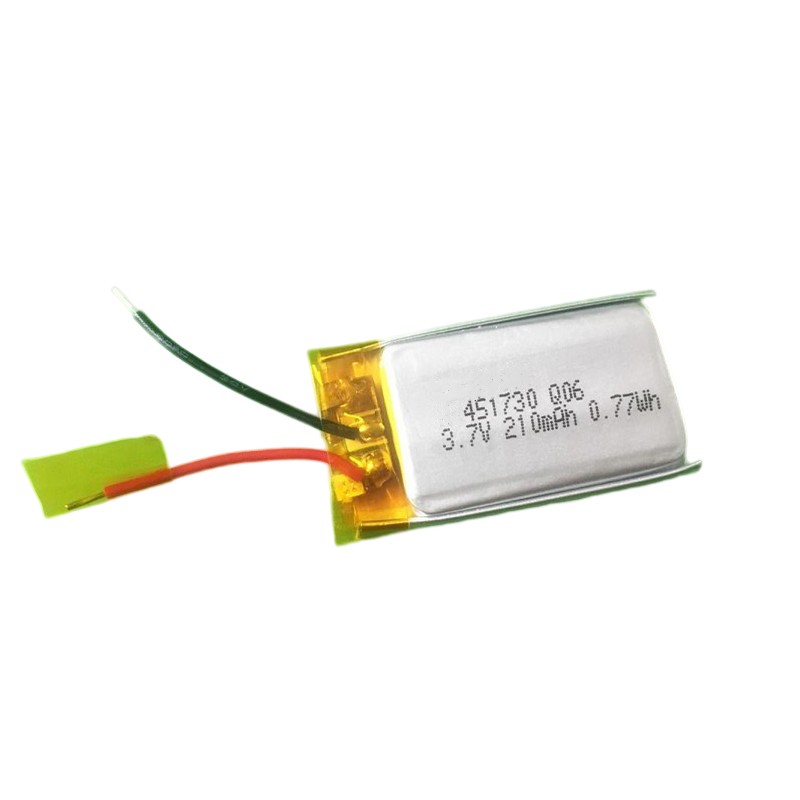
A prime example is the Topwellpower IEC 62133 approved 3.7V 200–210mAh lithium polymer battery. Its standout feature is a long cycle life, rated for at least 800 charge-discharge cycles while retaining high capacity. This durability directly translates to a reduced environmental footprint. A single one of these batteries can prevent the manufacture and disposal of hundreds of single-use batteries, conserving vast amounts of raw materials and energy.
This commitment extends to their manufacturing philosophy. The company focuses on production methods that minimize energy consumption and waste. Furthermore, by using materials that comply with RoHS and REACH standards, Topwellpower ensures its products are free from the most harmful hazardous substances, making them safer for consumers and easier to recycle at the end of their life. Their packaging is also designed with sustainability in mind, utilizing recyclable materials to reduce landfill burden. By championing a circular economy, they not only produce reliable power sources but also actively participate in creating a more sustainable system for electronics.
Broadening the Impact: Public Education and Collaborative Initiatives
Individual action is powerful, but systemic change requires collective effort. Raising public awareness and fostering collaboration across sectors are essential steps toward solving the battery waste problem.
Education in Schools and Communities
Bringing this knowledge to the next generation is crucial. Schools can incorporate a "Green Battery Classroom" module into science or environmental studies, teaching students about how batteries work and the importance of recycling. Community centers can host workshops and seminars for adults, demonstrating how to safely handle and store old batteries. Fun, engaging activities like "old battery for a new plant" swap events can incentivize participation and make recycling a community-wide habit.
Leveraging Digital Platforms for Outreach
In today's connected world, digital channels are a powerful tool for education. Short, shareable videos on platforms like TikTok and Instagram can quickly demonstrate practical tips, such as how to tape battery terminals. Interactive online quizzes can test knowledge and bust common myths about battery disposal. Well-researched blog posts and articles can provide in-depth information for those seeking to learn more.
A Call for Industry-Wide Collaboration
The responsibility should not rest solely on the consumer. Manufacturers, retailers, and brands must work together. Device makers can make it easier for consumers to remove and replace batteries, rather than sealing them inside products. Retailers can be more proactive in advertising their battery take-back programs. By creating a unified and convenient system for battery recycling, the industry can significantly increase collection rates and ensure that valuable materials are recovered and reused.
Conclusion: Powering a Greener Future, One Choice at a Time
The journey of a battery, from its creation to its final resting place, is a reflection of our collective values. The small, seemingly insignificant act of choosing how to power a device or what to do with a spent battery has a ripple effect on the health of our planet. Every consumer holds a key role in this chain of responsibility.
By prioritizing batteries that are durable, long-lasting, and certified by standards like IEC 62133, you are not just buying a better product—you are supporting a system of safer, more accountable manufacturing. By committing to proper recycling, you are helping to close the loop, turning potential waste back into a valuable resource.
By supporting companies like Topwellpower that champion certified, long-lasting products and advocate for responsible end-of-life solutions, we collectively build a more sustainable future. We invite you to join this movement. Start by looking in your own junk drawer, and let your next choice be one that powers progress for us all.